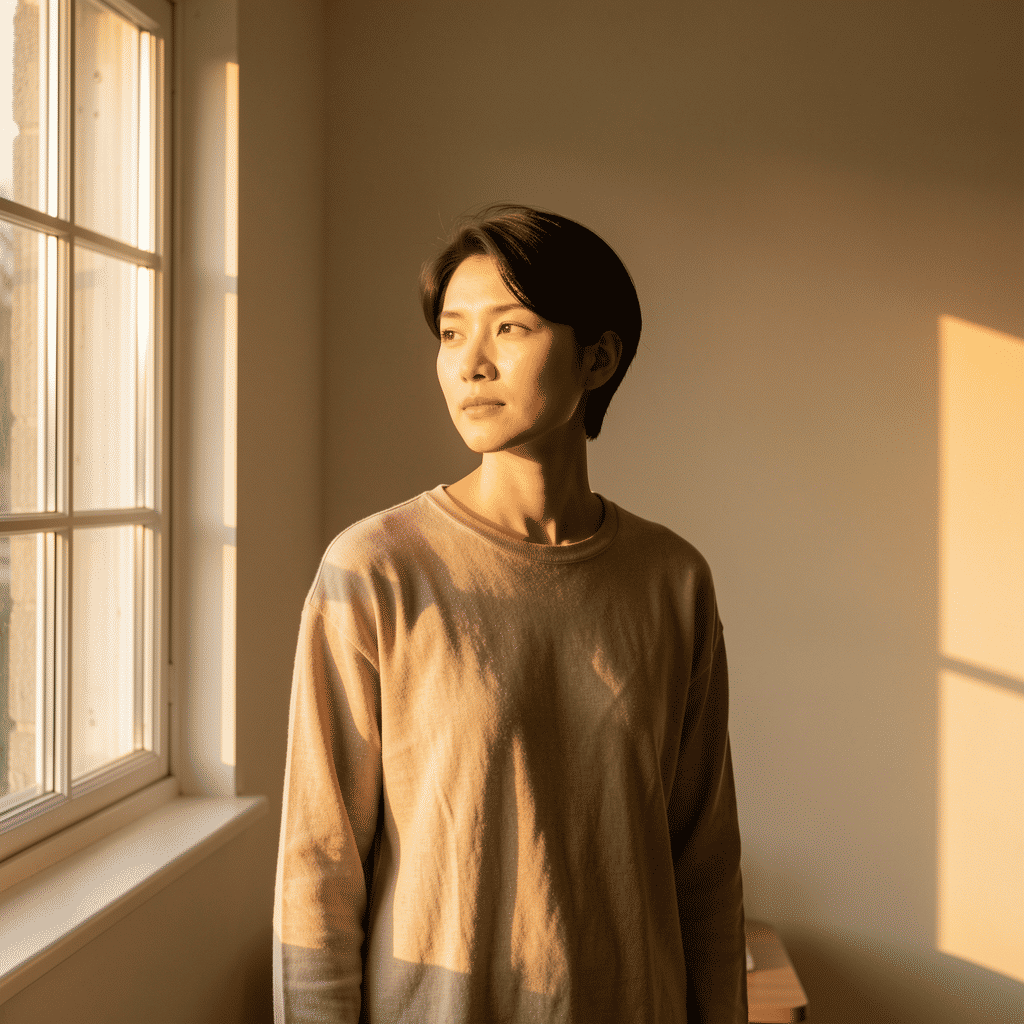
Understanding lighting holds the power to transform photography from ordinary to exceptional. Whether you're capturing landscapes, portraits, or still life, mastering the art of lighting can dramatically enhance your images. This guide delves into various tips and techniques to effectively harness both natural and artificial light.
Natural Light Photography
Natural light offers a spectrum of opportunities and challenges. Learning to work with the available sunlight can lead to stunning results. One of the most favorable times for photography is called the "Golden Hour," the period shortly after sunrise or before sunset. During these times, the sun casts a soft, warm glow, ideal for even skin tones in portraits and vibrant landscape hues.
Cloudy days also present unique advantages. Overcast skies act as a giant diffuser, scattering sunlight and minimizing harsh shadows. This creates a balanced, even lighting that works well for outdoor portraits and macro photography.
Artificial Light Techniques
Artificial light provides control and consistency, making it a crucial tool for photographers, especially in studio environments. Understanding how to manipulate it effectively can open up a wealth of creative possibilities.
When working indoors, consider using softboxes or diffusing the light to prevent harsh shadows and hot spots. Position your light sources at different angles to create depth and dimensionality, which adds intrigue and detail to your photographs.
For dramatic effects, experiment with colored gels over your lights. This technique can transform a standard scene into something extraordinary by adding mood and atmosphere.
Balancing Natural and Artificial Light
Often, the best results come from blending both natural and artificial light. This synergy allows for creative expression and flexibility. Using a flash alongside sunlight can fill in shadows and accentuate key elements in your composition. Reflectors can also play a critical role, bouncing light into darker areas to create a balanced look.
Practical Tips for Effective Lighting
-
Experiment with Angles: Always be open to shifting your position or your subject’s, as light changes its character from different angles.
-
Be Mindful of Shadows: Shadows can add depth or become distracting elements in your image; use them thoughtfully.
-
Understand Color Temperature: Different light sources have unique color casts. Knowing how to adjust white balance settings will ensure accurate colors.
-
Practice Low-Light Techniques: Mastering long exposures and using tripods can be beneficial when shooting in dim conditions, capturing motion and fine details.
-
Learn Exposure Settings: Aperture, shutter speed, and ISO are your fundamental tools. Understanding their interplay helps you control the light in your photos for desired effects.
Mastering lighting requires experimentation and practice, but the improvement in your photography will be evident. Whether you're relying on the sun’s natural glow or the controlled ambiance of studio lights, every moment presents an opportunity to create captivating images that resonate. Embrace the dynamic interplay of light, and watch your photography reach new heights.