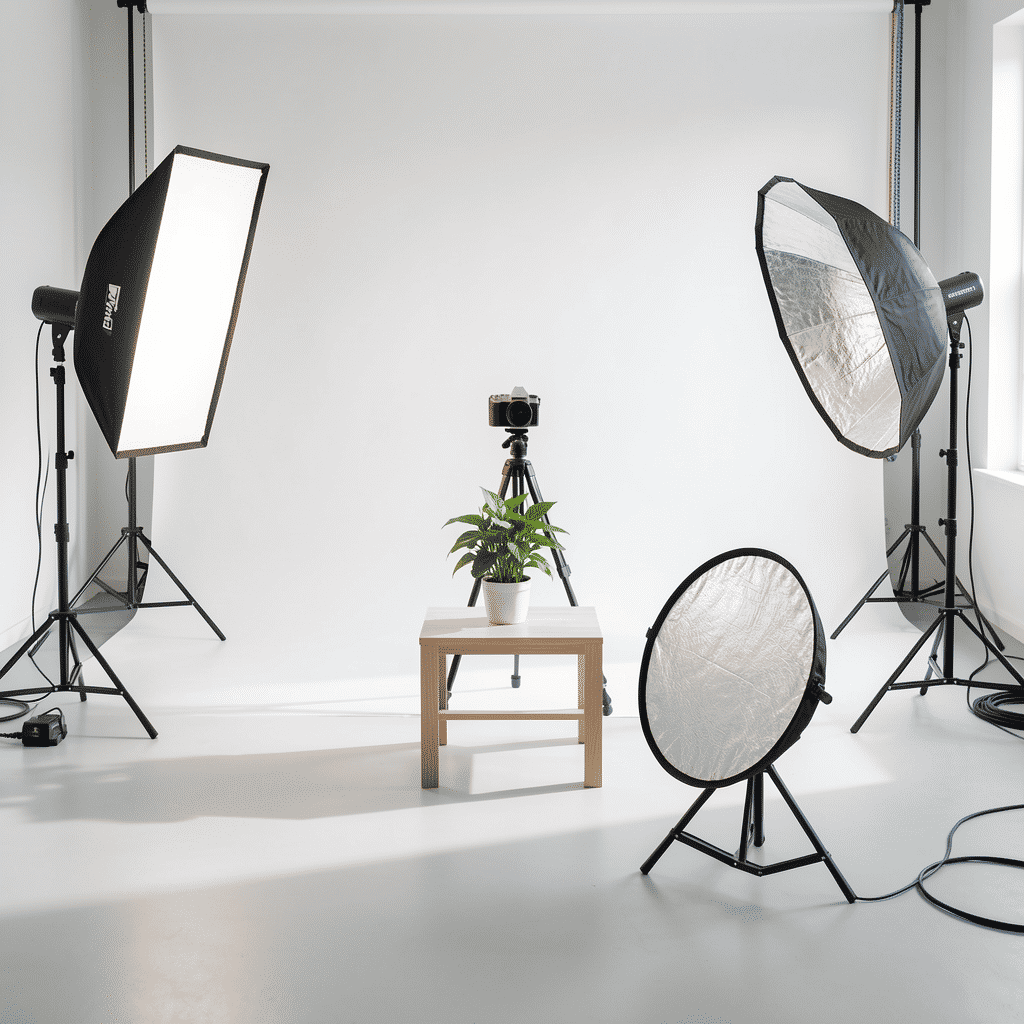
Lighting is one of the most essential elements in photography, shaping not only the mood and tone of an image but also influencing its clarity and depth. Whether harnessing the power of the sun or utilizing artificial sources, understanding and controlling light can significantly enhance the quality of your photos.
Natural Lighting
Natural lighting, sourced primarily from the sun, is often favored for its organic and dynamic qualities. The time of day greatly affects the characteristics of natural light. During the golden hours – shortly after sunrise and before sunset – the sun casts a warm, soft light that can produce stunning and dramatic effects. This lighting conditions create long shadows and golden tones that enrich landscape and portrait photography alike. Conversely, midday sun can be harsh with strong contrasts that might lead to overexposed highlights and underexposed shadows. To mitigate this, shooting in shaded areas or using reflectors to soften the light can provide more balanced results.
Artificial Lighting
When relying on artificial lighting, the tools at your disposal expand significantly. Studio lights, flashguns, and LED panels offer versatile solutions for shaping the environment. Each tool has its own set of characteristics. For example, continuous LED lights allow for real-time adjustments, while flash gives photographers the ability to freeze motion or overpower ambient light. Reflectors and diffusers can also play a significant role in controlling artificial light, allowing you to manipulate reflections and minimize harsh shadows.
Understanding the fundamental differences between soft and hard light is crucial when working with artificial lighting. Soft light, which has gentle transitions between light and shadow, can be achieved by diffusing light sources or using larger light setups. It is ideal for portraits as it is forgiving on skin and creates a more flattering image. Hard light, in contrast, produces sharp shadows and is often sourced from smaller, direct lighting. This is perfect for creating dramatic effects and highlighting textures in subjects.
Combining Natural and Artificial Lighting
Blending natural and artificial light can open up even more creative possibilities. Photographers can use this combination to maintain consistent lighting environments or to add specific artistic elements to a composition. For instance, a flash can be used outdoors during daylight to fill in shadows or highlight the subject, while keeping the ambient light balanced for a natural look.
Mastering Control Over Lighting
Mastering lighting in photography involves experimenting with various tools and techniques. Photographers should spend time understanding how different lighting angles, distances, and modifiers impact their images. Shadows can add intrigue or mystery, while highlights can guide the viewer's focus. Taking the time to practice and experiment will lead to a deeper understanding of how to use lighting to your advantage, ultimately leading to more dynamic and visually impactful images.
In conclusion, both natural and artificial lighting offer unique advantages that, when understood and controlled, can elevate the artistry and professionalism of your photography. Whether you're capturing a picturesque landscape or a detailed portrait, mastering the intricacies of lighting will serve as a powerful tool in your photographic endeavors.