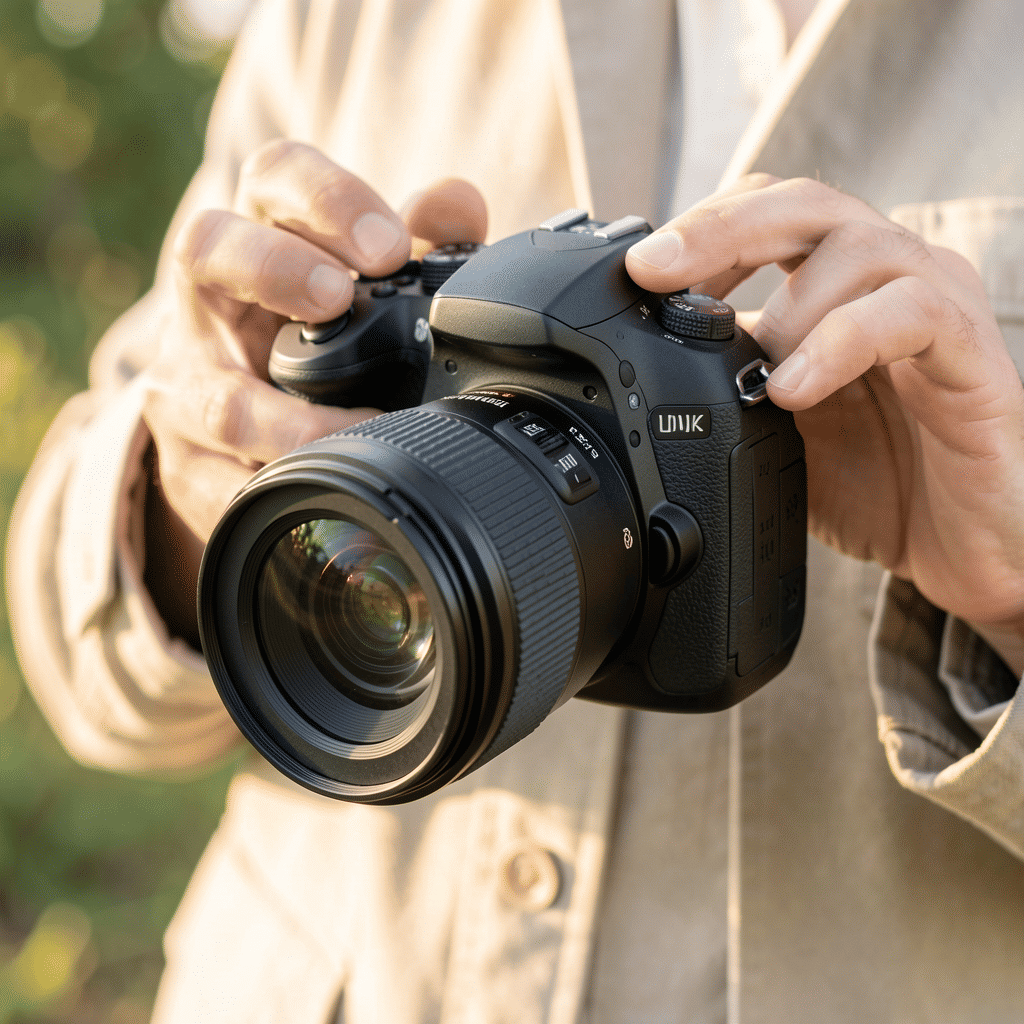
Photography is a fascinating art form that enables individuals to capture moments and express their perspectives through the lens of a camera. Mastering camera techniques can significantly enhance the quality of your photographs and transform ordinary scenes into extraordinary images. Whether you are a beginner or an experienced photographer, understanding various techniques and features available on different cameras is key to elevating your photography.
Understanding Your Camera
The first step in mastering camera techniques is to become familiar with the camera you have. Regardless of the type—whether it's a DSLR, mirrorless, or point-and-shoot—understanding its components and features is essential. Study the user manual and practice using different settings in various conditions to get a feel for how your camera operates.
Aperture, Shutter Speed, and ISO
These three elements form the exposure triangle, fundamental concepts in photography that work together to control the exposure of an image. Aperture refers to the size of the lens opening and affects both the exposure and depth of field. A wider aperture lets in more light and results in a shallower depth of field, which can be used creatively to focus attention on the subject by blurring the background.
Shutter speed determines the length of time the camera's shutter is open to capture light. Adjusting the shutter speed can freeze motion or create motion blur effects, such as capturing the movement of water or light trails.
ISO is the measure of the camera’s sensitivity to light. A lower ISO is ideal in bright conditions to maintain image quality, while a higher ISO can be useful in low-light situations, though it may introduce grain or noise.
Mastering Composition
Beyond technical settings, composition is a crucial aspect of stunning photography. The rule of thirds is a popular composition technique that involves dividing the frame into a grid and positioning the subject along these lines or at their intersections to create a balanced and engaging image. Leading lines, symmetry, and framing are also effective methods to guide the viewer’s eye and add depth to your photos.
Utilizing Natural and Artificial Light
Light is one of the most critical factors in photography. The ability to harness and manipulate light can dramatically impact the mood and clarity of an image. Natural light changes throughout the day, offering different qualities of light at dawn, midday, and dusk. Understanding how to use direct sunlight, diffused light, and shadows creatively can significantly improve your photographs.
Artificial lighting, such as flash or studio lights, allows for more control in various settings. Experimenting with light sources and directions can help create dynamic and well-lit compositions.
Experimenting with Different Lenses
Different lenses offer diverse perspectives and creative possibilities. A wide-angle lens captures more of the scene, which is perfect for landscapes and architectural photography. Telephoto lenses allow for photographing distant subjects, providing perspective compression and isolating the subject from the background. Macro lenses capture fine details at close range, ideal for photographing small subjects such as insects or flowers.
Post-Processing Techniques
Post-processing is an extension of creative expression in photography. Software tools enable photographers to adjust exposure, color balance, contrast, and sharpness. However, the aim should be to enhance rather than alter the essence of the photograph. Developing a subtle and consistent editing style can add a personal touch to your work.
Conclusion
Mastering camera techniques is an ongoing journey that evolves with practice and experimentation. By understanding your camera, utilizing light effectively, composing your shots thoughtfully, experimenting with various lenses, and applying suitable post-processing techniques, you can create stunning, memorable images that resonate with viewers. The world through your lens is filled with potential, waiting to be captured and shared.