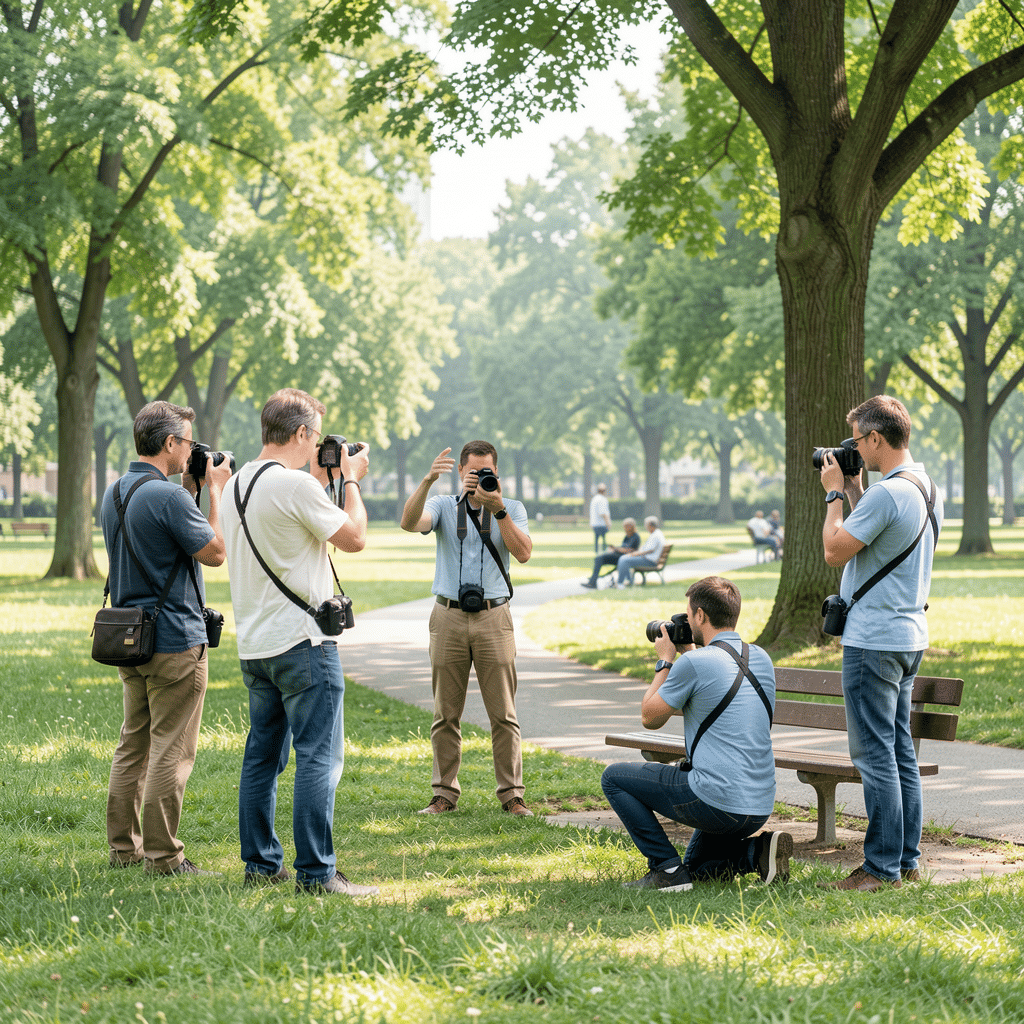
Photography is an art form that transcends verbal communication, allowing viewers to connect with visual narratives on an emotional level. At the heart of impactful photography lies the mastery of compositional techniques. These strategies transform ordinary images into compelling stories. Let's delve into some of these fundamental approaches to elevate the visual appeal of your photographs.
Rule of Thirds
One of the most popular compositional techniques is the Rule of Thirds. This involves dividing the image into nine equal segments by two horizontal and two vertical lines. The main subject should be placed along these lines or at their intersections. This method provides balance, guides the viewer’s eye, and adds depth to the overall image.
Leading Lines
Leading lines are another powerful tool for photographers. These lines naturally direct the viewer's gaze towards a specific point in the photograph, enhancing the overall narrative. Roads, rivers, and architectural structures serve as excellent guides, leading the audience through the image in a purposeful way.
Framing
Using elements within the scene to frame your subject can add layers and depth to a photograph. Natural frames such as tree branches, doorways, or windows guide the viewer’s attention to the focal point, providing context and emphasizing the subject matter.
Symmetry and Patterns
Symmetry and patterns captivate the human eye due to their nature of providing harmony and consistency. Incorporating these elements can evoke a sense of order and beauty, making an image aesthetically pleasing. Breaking the expected pattern with the subject can also lead to striking visual interest.
Perspective
Changing the perspective from which you capture an image can dramatically alter the viewer's perception. Shoot from a higher vantage point to provide an overview, or go low to highlight the stature or dominance of your subject. Altering perspective can breathe new life into an otherwise mundane scene.
Background Control
A cluttered background can distract from the subject. Simplifying the background ensures that the focus remains on the primary subject. Using a shallow depth of field to blur the backdrop helps isolate the subject, resulting in a cleaner, more impactful image.
Balancing Elements
It is essential to balance the elements within a frame to create a cohesive image. Balancing larger subjects with smaller elements, or using contrasting colors and textures, can maintain visual interest without overwhelming the viewer.
Conclusion
Mastering photographic composition is a pathway to not only enhancing your technical skills but also enriching your storytelling ability. By incorporating these techniques, you will be able to create photographs that are not merely images but evocative expressions of vision and creativity. With practice, experimentation, and a keen eye, these techniques will soon become an intrinsic part of your photographic journey.