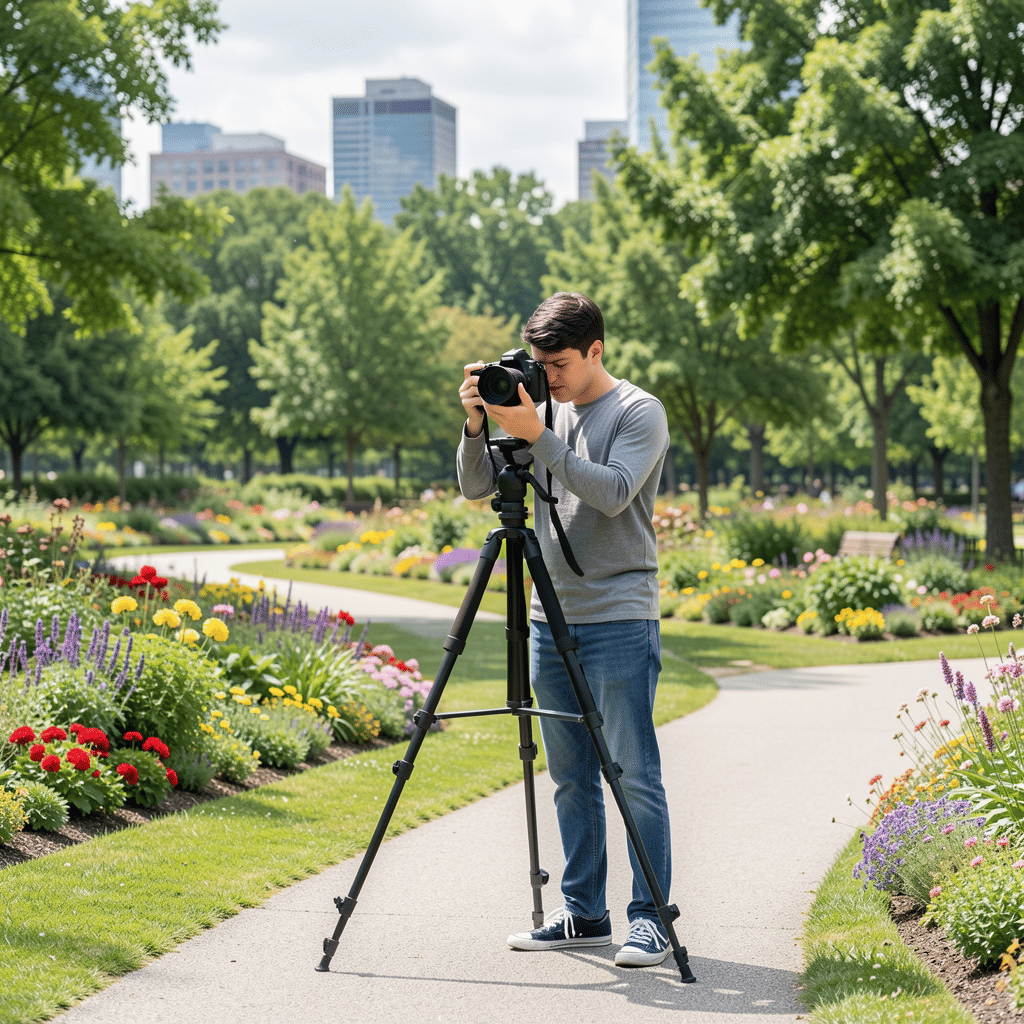
Starting your journey in photography can be both exciting and overwhelming, but mastering the basics is a crucial first step. With the right skills, you'll be well on your way to capturing stunning images and expressing your creativity through the lens. Here, we'll explore some foundational techniques and concepts that form the building blocks of photography expertise.
Understanding Your Camera
Knowing your camera inside out is the first step towards becoming a skilled photographer. Whether you are using a DSLR, mirrorless, or even a smartphone camera, familiarize yourself with its functions. Learn the purpose of each button, dial, and setting. This knowledge will allow you to make quick adjustments in dynamic shooting environments.
Mastering Exposure
Exposure is fundamental to photography and comprises three main elements: aperture, shutter speed, and ISO. These elements work together to determine the overall brightness of your images.
-
Aperture controls the size of the lens opening and affects the depth of field. A larger aperture (small f-stop number) creates a shallow depth of field, perfect for portraits, while a smaller aperture (large f-stop number) increases the range of focus, ideal for landscapes.
-
Shutter Speed manages how long the camera’s sensor is exposed to light. Faster speeds freeze motion, which is great for action shots, whereas slower speeds can create interesting motion blur effects.
-
ISO influences the sensor's sensitivity to light. Lower ISO values are suitable for bright conditions, while higher values might be necessary for low-light situations, albeit with increased noise.
Focusing Techniques
Achieving sharp focus is critical. Begin practicing with autofocus modes, such as single-point AF for stationary subjects or continuous AF for moving ones. As you progress, experiment with manual focus, which can offer more control and precision, especially in challenging lighting conditions.
Composition Rules
The composition can transform a photograph from average to exceptional. Familiarize yourself with rules like the Rule of Thirds, leading lines, and framing. The Rule of Thirds involves dividing the frame into a grid and placing points of interest along these lines or at their intersections. Leading lines guide the viewer’s eye through the image, while framing uses elements within the scene to encompass the subject, adding depth and context.
Playing with Light
Light is a photographer’s best ally. Learn to observe and manipulate natural and artificial light sources. The golden hours, shortly after sunrise and before sunset, provide soft, warm tones ideal for photography. However, don't shy away from experimenting with different types of lighting and shadows to add mood and texture to your images.
Exploring Different Styles
Experimenting with various styles and genres is crucial in developing your unique voice in photography. Try your hand at portrait, landscape, street, and macro photography to understand what resonates with you. Each style will challenge your skills and offer new learning opportunities.
Practicing Patience and Persistence
Improvement in photography doesn’t happen overnight. Patience and consistent practice are key. Review your work regularly, seek constructive feedback, and don't fear making mistakes. Each shot is a learning opportunity, and over time, your skills will naturally evolve.
Embarking on the path of photography is a rewarding journey filled with continuous learning and exploration. By grasping these basic techniques, you'll lay a solid foundation from which to grow and create captivating images. Keep experimenting, stay curious, and most importantly, enjoy the creative process.